KEPT
A Place for Handwritten Prayer
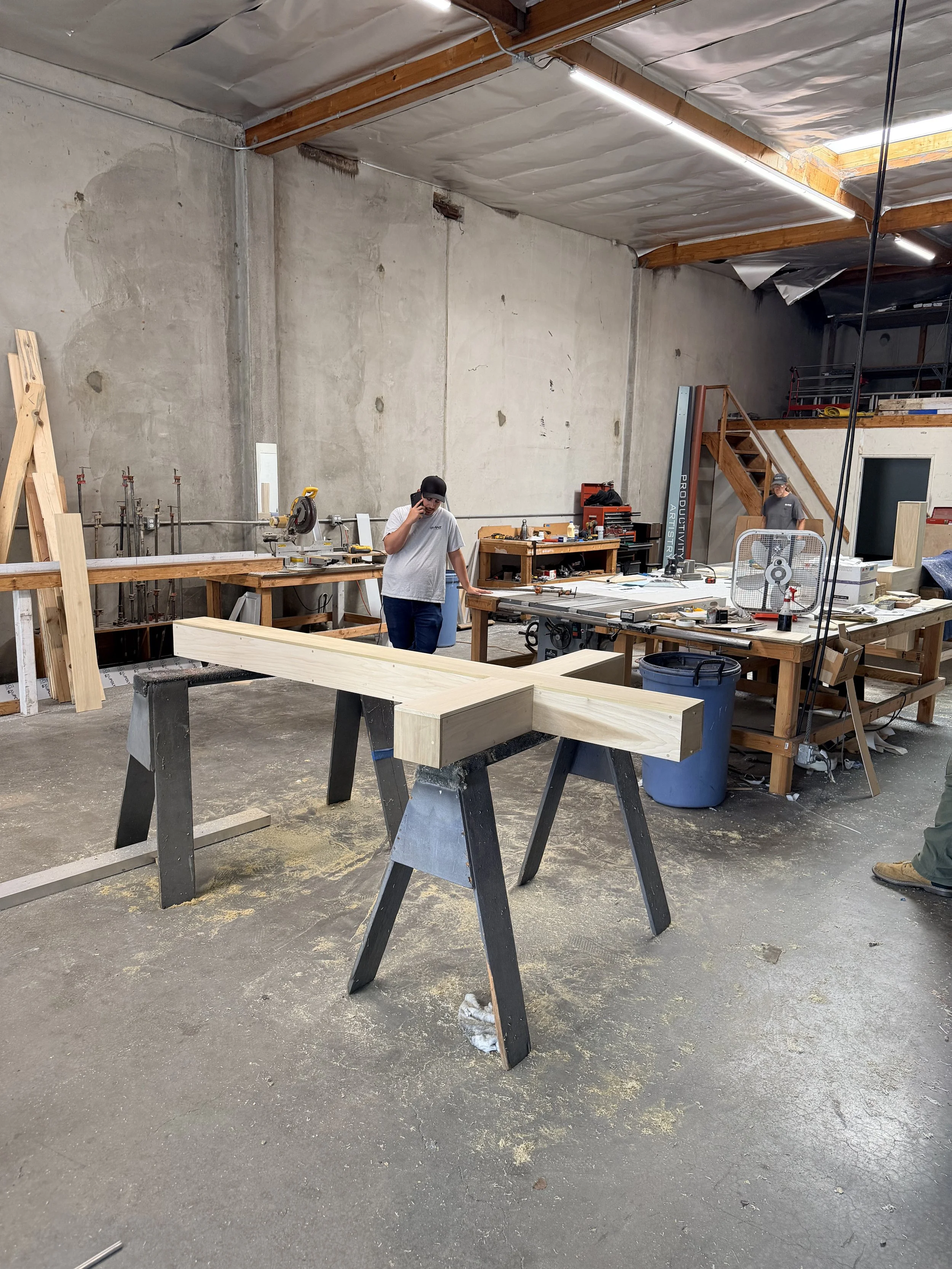
KEPT is an ongoing artwork by Scott Seton Hancock. Anonymous handwritten prayers are gathered through cross installations placed in churches, public spaces, cultural institutions, and other settings.
Each prayer begins as a private act. With the writer's consent, it may be preserved as part of an ongoing body of painting, installation, and archive.
At the Cross
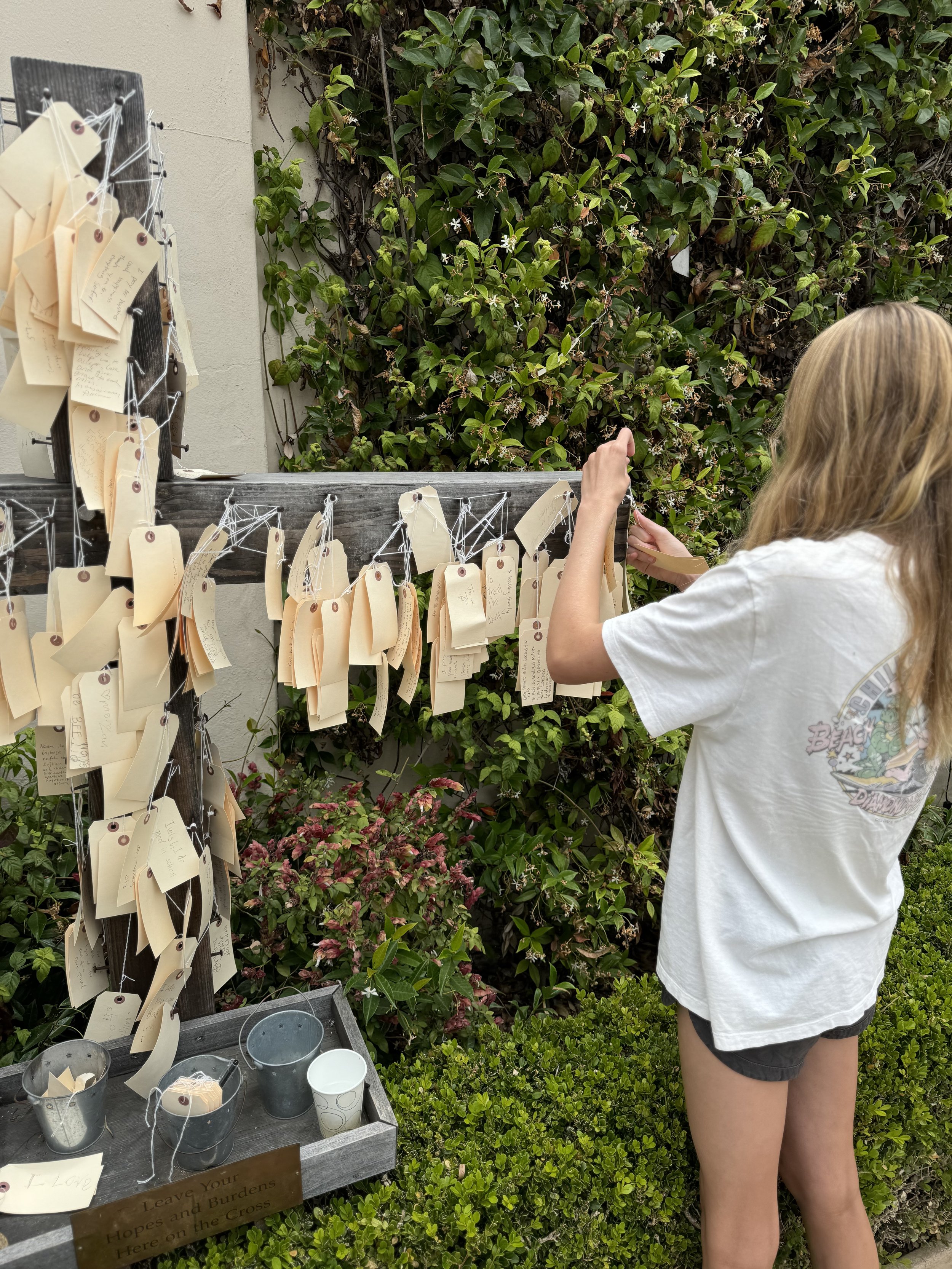
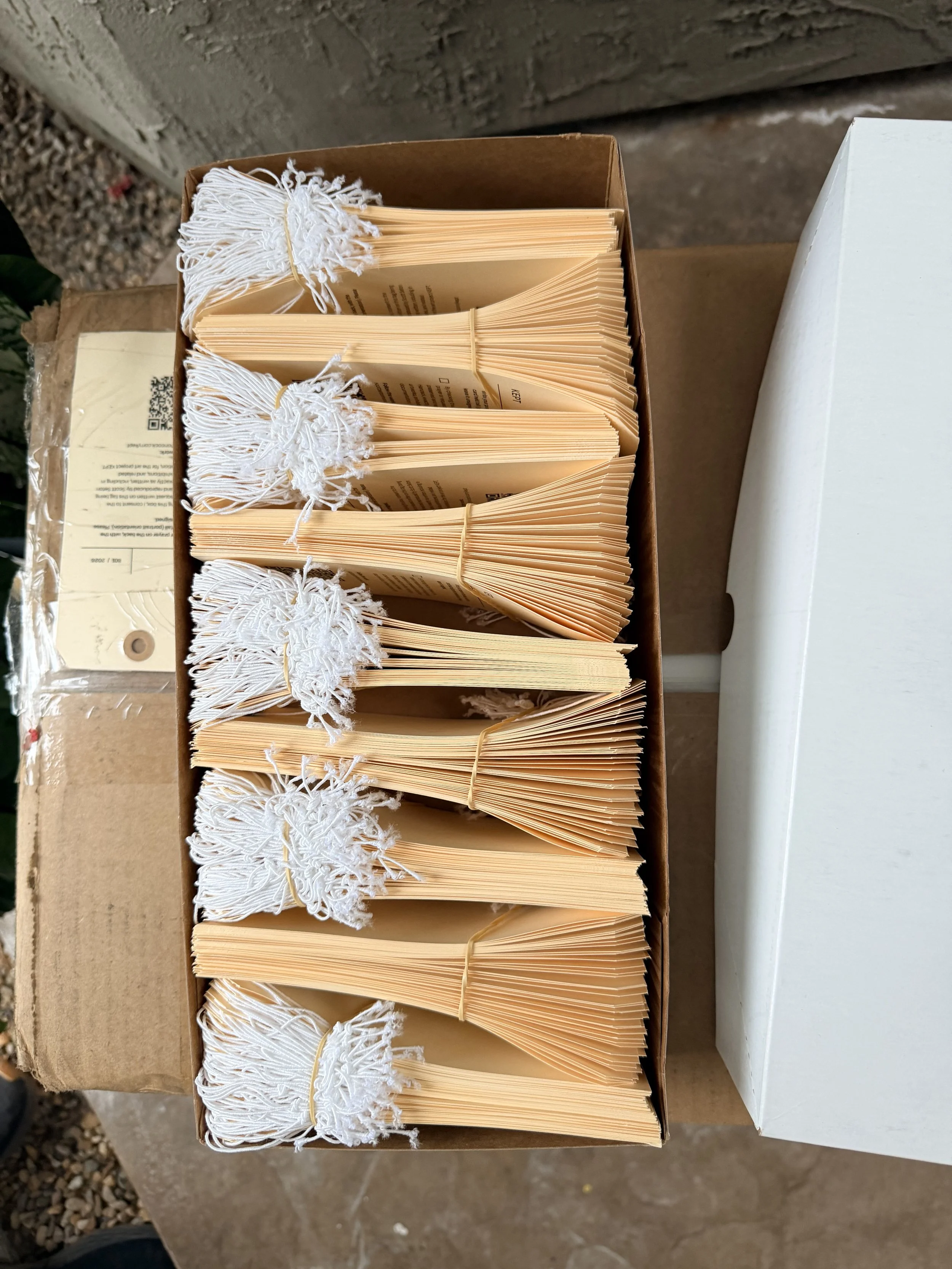
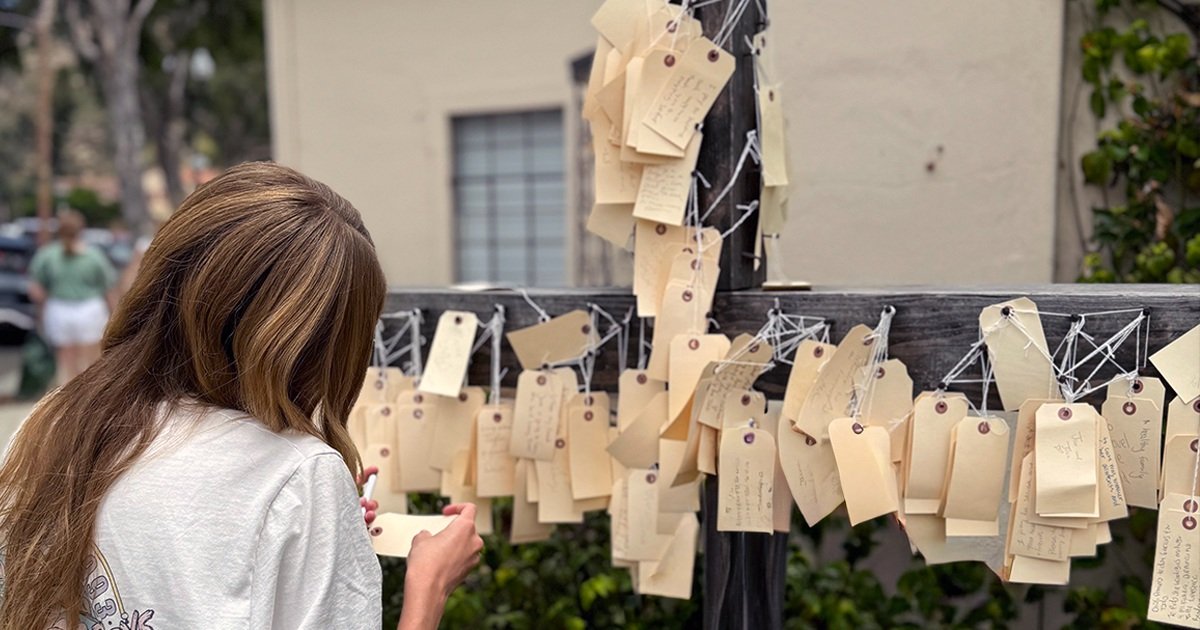
Take a tag.
Write your prayer on the blank side, holding the tag vertically.
Leave it unsigned.
Check the consent box if you agree to your prayer being preserved and reproduced as part of KEPT.
Hang the tag on the cross.
You may leave a prayer without giving consent. Prayers without consent are never used.
What Happens to Your Prayer?
Consented prayers enter the continuing KEPT archive.
A selected prayer may be translated onto raw linen at architectural scale and reproduced exactly as it was written. Every word, spelling, pressure mark, hesitation, ink color, and irregularity is kept. Nothing is corrected.
The prayer is not interpreted, rewritten, or answered by the artist. The handwriting becomes the surface of the work.
The original handwritten tag is preserved with each completed painting.
Not every prayer will become a painting. Each consented prayer nevertheless becomes part of the larger record gathered through KEPT.
A painting can hang on a wall for three hundred years. A prayer written here, ordinarily gone within weeks, may be read and carried long after it was written.
The Paintings
At scale, a private appeal becomes impossible to ignore.
Words addressed beyond the viewer are made to last and held in public view. KEPT places handwritten prayer inside the same conditions of attention, scale, preservation, and public encounter ordinarily reserved for art.
The work proceeds as though these words were already received. To read one is to receive it again. The prayer does not end. It changes hands.
The first body of KEPT paintings is currently in production. Select documentation will be released as the work develops, with exhibitions and public presentations announced when confirmed.
Host A KEPT Cross
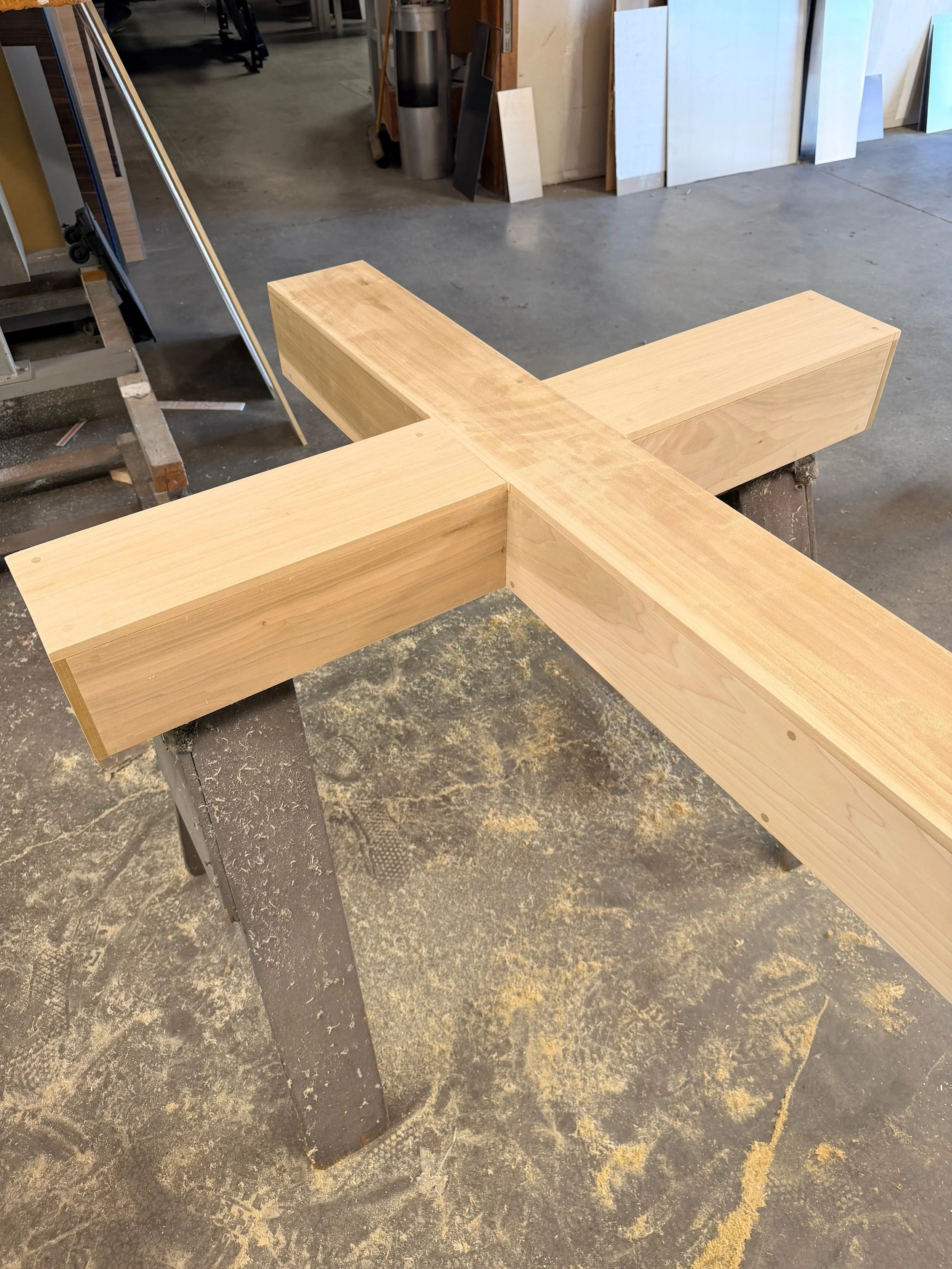
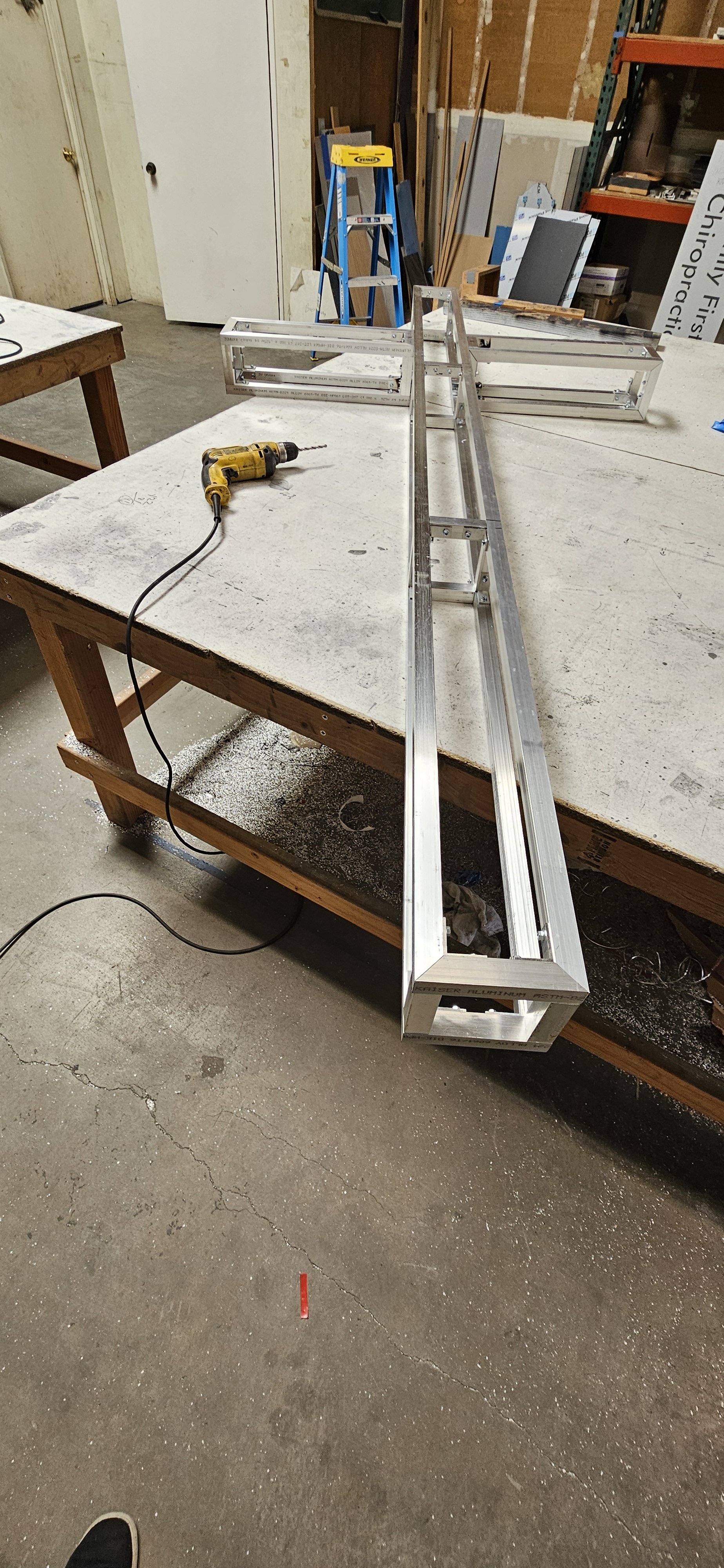
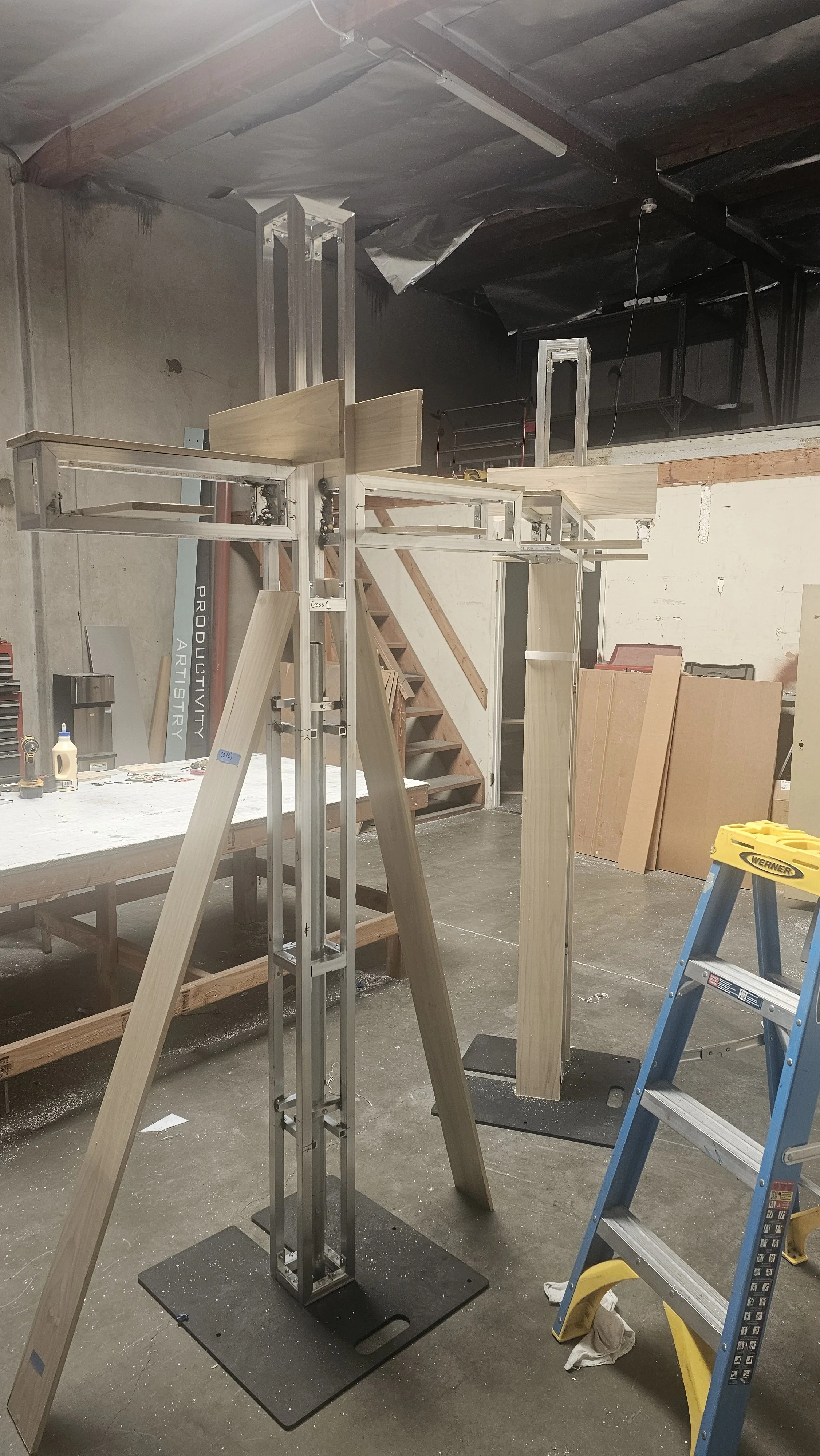
KEPT crosses may be temporarily placed in churches, cultural institutions, universities, retreat settings, events, and other appropriate public or private venues.
Each installation provides a place where people may anonymously leave a handwritten prayer and, with their consent, contribute to the continuing work.
Organizations interested in hosting a KEPT cross are invited to submit an inquiry. Placement, timing, participation, collection, and documentation are coordinated individually with each host.